What Do Thanksgiving and the Supply Chain Have in Common?
From demand and safety stock to production capacity and sustainability, what do the supply chain and Thanksgiving have in common?


From demand and safety stock to production capacity and sustainability, what do the supply chain and Thanksgiving have in common?
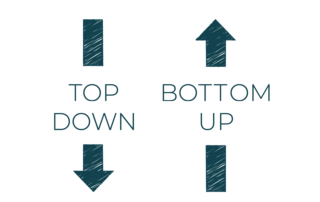
This blog discusses the pros and cons of the three most common S&OP methods: top-down, bottom-up and countercurrent planning.

Inventory planners have a difficult task balancing customer demand with inventory levels. This blog is the first in a series discussing safety stock.

There are various approaches to safety stock calculations. This blog previews a free webinar that sheds light on the pros and cons of each.

Are you a supply chain planning firefighter? Learn more about the value of keeping your technology current and the dangers of relying on an outdated system.

Unlike a fine wine, inventory does not get better with age. Learn more about the importance of balancing inventory levels with related costs.

Investments typically fall into the familiar categories of people, process, and technology. So, what does this prioritization mean?
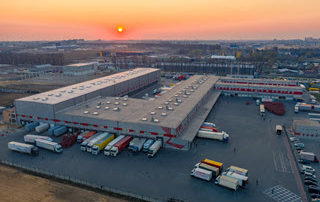
Logistics costs account for a large portion of final costs. This blog explores whether warehousing can help optimize the logistics process.

Demand planners are facing unprecedented pressures caused by the all-time high number of planning combinations. Supply chain planning software can help.

One flick of the wrist triggers a wave of disruption that grows the deeper it penetrates the supply chain. This blog explains the bullwhip effect, how the pandemic exacerbated it and tips on how to mitigate the effect.