Subscription-based Supply Chain Systems
Subscribe and save makes planning easier. Consistent demand means less fluctuation in order volume, which makes forecasting, inventory management and scheduling more predictable.


Subscribe and save makes planning easier. Consistent demand means less fluctuation in order volume, which makes forecasting, inventory management and scheduling more predictable.

Arkieva prides itself on providing some of the best in supply chain thought leadership. Over 300,000 individuals read our blog articles in 2021. The volatile nature of the supply chain today drove our readers to educate themselves on practical actions they can take to remain competitive.

We have all seen it in the news. Covid-19 outbreaks, labor shortages at the port as well as in trucking, and port delays coupled with high demand from consumers are causing major supply chain issues. Shipping containers are in short supply, or perhaps a better way to say it is that they are waiting to be unloaded or loaded resulting in a shortage. In this blog, let us try to enlist some possible future impacts of this situation. Let us look at it from the perspectives of the different players in the supply chain.

Everyone is talking about supply chains these days. Ever worsening weather, a global pandemic, and a labor shortage have generated a perfect storm that has pushed global supply chains to their breaking point. I propose that the problem has been building for some time and this perfect storm may just be the reset we need.

A reasonable question supply chain folks often ask themselves is ‘What is the relationship between Rough Cut Capacity Planning (RCCP) and Master Production Scheduling (MPS)?’ However, this is the wrong question to ask oneself. This blog will address the transition from AS to central planning as best practices and demonstrate that with a firm’s due diligence they can make the transition successfully. This is critical for what-ifs and effective use of optimization.

Learn how a simple binomial model can help anticipate the future including COVID-19 breakthrough cases just as models help a firm estimate it's future.
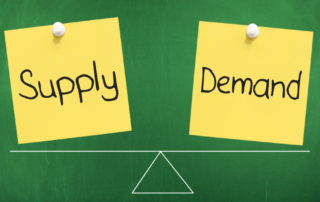
Over the past 5 weeks, Jeff Ondria has hosted a set of short interviews on LinkedIn about the five distinct steps to develop an effective S&OP process. In today's blog, we discuss step 4 Balancing Supply & Demand where we will answer some key questions with respect to balancing supply and demand.

In SCM there is an ongoing flow of elixirs (magic potion) from ‘false prophets’ claiming that they are an easy path to improved performance. A recent elixir is IBP followed by “doing central planning at the family level” to neutralize the uncertainty associated with estimating demand at the product level. This blog will illustrate the challenge in this effort since factories produce products, not families.

Taking the time to perform what-if analyses on a regular basis with real and speculative events, gives planners tremendous insight into what parts of the supply chain are most sensitive to changes. As a result, planners will have a sense of what is a big deal and what is not. And when a crisis happens, they’ll feel confident in their ability to respond.

In this blog, we will demonstrate the link between Finance and Supply Chain and how this understanding can help define supply chain improvements by understanding elements of the Balance Sheet and Income Statement.