Biggest Mistake: Ignoring the Math behind ROI
One of the biggest mistakes a supply chain planner can do is have an aversion to learning the math behind ROI (Return on Investment) that can come from working on a business’s supply chain plans.

One of the biggest mistakes a supply chain planner can do is have an aversion to learning the math behind ROI (Return on Investment) that can come from working on a business’s supply chain plans.

What will the Supply Chain be like in the year 2020? In the evolution of supply chain, people, process and technologies must be aligned correctly to achieve maximum results, and leaders must connect the dots to ensure supply chain becomes more market driven.
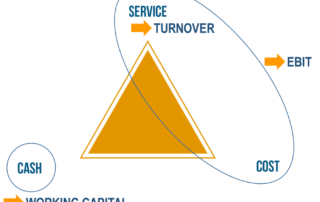
We believe that when building your supply chain career, you should build in lateral moves, growing both horizontally and vertically. Will you have the necessary skills to build the supply chain of the future, balancing service, cost and cash, in order to maximize ROCE?
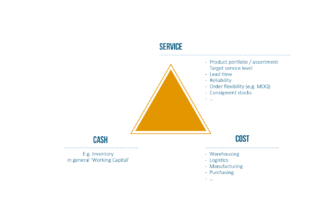
When launching an inventory reduction program, success is contingent on keeping the Supply Chain Triangle in balance. However, keeping Cash, Cost and Service in balance may prove difficult for a traditional supply chain organization whether the business is a success or if it is struggling. Please read more to learn how to deal with pressure within the Supply Chain Triangle.

Supply Chain Planning deals with the future and therefore uncertainty with economy. As a result, the planners sometimes have to question other people’s assumptions. Whether for this or some other reason, they do not get credit that is due to them for the great job they do. Eric Wilson from Tempur Sealy gives them the due credit and then some and calls them the super heroes of business. We agree!
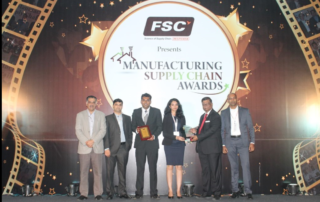
This past week Arkieva attended the India Manufacturing Supply Chain Summit & Awards 2016 in Mumbai. While attending the Summit we were able to discuss with our supply chain colleagues the many supply chain planning challenges we face every day in the industry. We invite you to share in the knowledge and discussions we were able to collect for this blog post. We at Arkieva are already preparing for those exciting supply chain planning challenges ahead; are you ready for these exciting times?
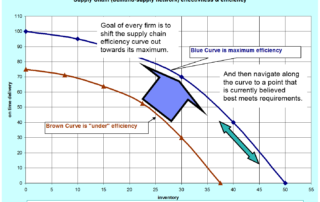
“Complexity exists, whether you ignore or not – better not to ignore it” Peter Lyon IBM retired, former director IBM Strategic Systems In 1995 the IBM Microelectronics Division made a decision to invest in a “smart” central or supply chain planning engine (CPE) to intelligently match assets with demand to improve its performance and responsiveness.
In my previous post, I encouraged you to mingle with your new colleagues and make yourself known as the new go-to person for when planning is involved. While doing so, you have not only started building relationships, you’ve also raised some expectations. Now that you have an idea on what challenges your company might face,
Humans love stories and learn best from examples. Behavior scientists have even given a name to this common practice: Narrative Bias. In simple terms, the human brains understands and retains facts much better if there is a story binding them together. This concept has been talked about by many authors in many different contexts and

I recently watched a TED talk video by Alison Ledgerwood on YouTube. In the video, Alison gives the example of her paper getting accepted for publication (positive news) and another one getting rejected for publication (negative news). She talks about how it takes longer to recover from (i.e., go back to being her normal self) a